
Knowledge Base
UK Commercial Battery Storage: Navigating Falling Grid Costs for 2027 Energy Strategy
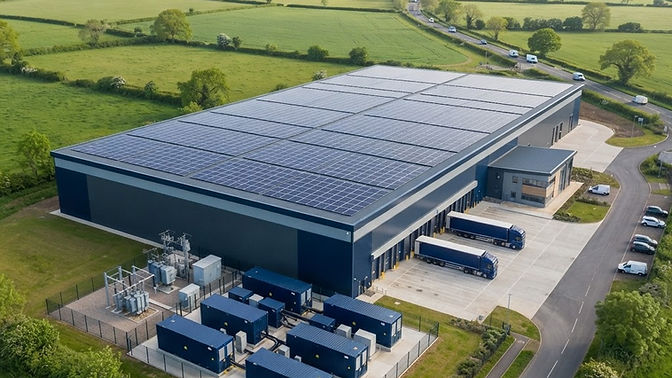
As grid-scale storage costs decline and Ofgem reforms the connections queue, commercial leaders must rethink their 2027 energy strategy. Discover how co-locating solar with battery storage can optimize your operational resilience and long-term energy procurement.
The Strategic Shift in Commercial Energy
For finance directors and operations managers, the energy landscape is undergoing a fundamental transition. As we look toward 2027, the traditional model of grid-dependency is being challenged by the convergence of falling technology costs and a more agile, reformed grid infrastructure. The integration of Battery Energy Storage with Commercial Solar PV is no longer a niche consideration; it is becoming a cornerstone of robust commercial energy strategy.
Understanding the Grid Connection Landscape
Recent regulatory interventions by Ofgem are reshaping how businesses access the grid. With the connections queue previously clogged by speculative projects, the regulator has introduced stringent measures to ensure that only viable, 'ready-to-go' projects secure capacity [2], [4]. For businesses, this means the barrier to entry for energy infrastructure is shifting from 'who is in the queue' to 'who has the commercial maturity to deliver' [3].
Ofgem’s ongoing reforms, including the introduction of financial commitments for storage projects, are designed to clear the backlog and prioritize projects that are genuinely needed [2]. By 2026, customers navigating these reforms will receive clearer connection offers with confirmed dates, providing a more predictable environment for long-term capital investment [5].
The Economics of Co-location
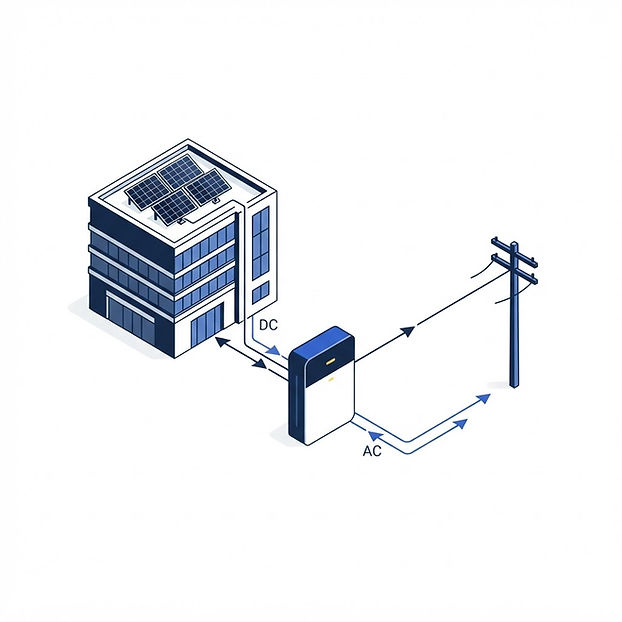
As the cost of battery technology continues to trend downward, the economic case for co-locating storage with solar generation is strengthening. This approach allows businesses to:
- Optimize Self-Consumption: Store excess solar energy generated during peak daylight hours for use during high-tariff periods.
- Asset Stacking: Participate in grid flexibility services, potentially turning an energy asset into a revenue-generating stream.
- Mitigate Volatility: Reduce reliance on the grid during peak pricing windows, shielding the balance sheet from market fluctuations.
For those evaluating the financial viability of these systems, understanding the difference between Outright Purchase and Fully Funded Solar (PPA) is critical. While outright ownership offers long-term operational value, a PPA model can remove the upfront capital burden, allowing businesses to access the benefits of storage without impacting their balance sheet [1].

Strategic Implications for 2027
For sectors such as manufacturing, cold storage, and data centres—where energy intensity is a primary operational risk—the 2027 strategy must account for both generation and storage. The ability to demonstrate 'commercial maturity' is now a prerequisite for securing grid access [3]. Businesses that align their energy procurement with these regulatory shifts will be better positioned to secure their energy future.
Key Considerations for Decision-Makers
- Queue Management: Ensure your project is 'ready' by conducting thorough feasibility studies early. Speculative applications are increasingly being filtered out by new milestones [3].
- Operational Resilience: Evaluate how battery storage can provide backup power or peak-shaving capabilities to protect critical operations.
- Funding Flexibility: Explore Asset Finance or PPA structures to align energy investments with your specific corporate finance objectives.
A Grounded Approach to Energy Procurement
At SolarTech UK, we advocate for a data-led approach to energy infrastructure. There are no 'one-size-fits-all' solutions. Whether you are looking to optimize an existing site or planning a new facility, the focus should remain on verified energy profiles and realistic ROI projections. We encourage leaders to review our Knowledge Base for deeper insights into how these technologies integrate with your specific industry requirements.
Navigating the transition to 2027 requires a clear understanding of both the technical potential of battery storage and the regulatory realities of the UK grid. By prioritizing projects that are technically sound and commercially viable, businesses can turn energy from a volatile cost center into a strategic advantage.
Common questions
- How do falling grid-scale storage costs affect my business?
- Declining costs for grid-scale battery storage improve the financial viability of co-locating BESS with commercial solar installations. As technology costs decrease, the business case for energy-intensive sites to adopt storage shifts from experimental to standard, allowing for better management of peak demand and grid volatility. By integrating storage, businesses can capture excess renewable energy generated on-site rather than exporting it, effectively hedging against future grid cost fluctuations and enhancing energy security.
- Why should I consider co-locating solar and battery storage?
- Co-locating battery storage with commercial solar PV transforms intermittent generation into a reliable, dispatchable power source. This configuration allows you to store excess energy during periods of high generation and low site demand, deploying it later when grid prices are higher or site operations require consistent energy. This dual approach helps mitigate curtailment risks and provides a buffer against grid instability, ensuring operational continuity for energy-demanding facilities while maximizing your investment in solar infrastructure.
- How do Ofgem reforms influence my site's energy strategy?
- Recent Ofgem reforms aim to streamline the connections queue, directly impacting how commercial projects enter the energy landscape. These changes are designed to prioritize viable, ready-to-build projects, affecting the timeline and cost of grid connectivity. For commercial energy managers, these reforms necessitate a shift in planning, moving away from speculative applications toward projects that are shovel-ready. Understanding these regulatory changes is critical for scheduling long-term energy procurement and ensuring your commercial solar and battery storage systems connect efficiently.
Sources