
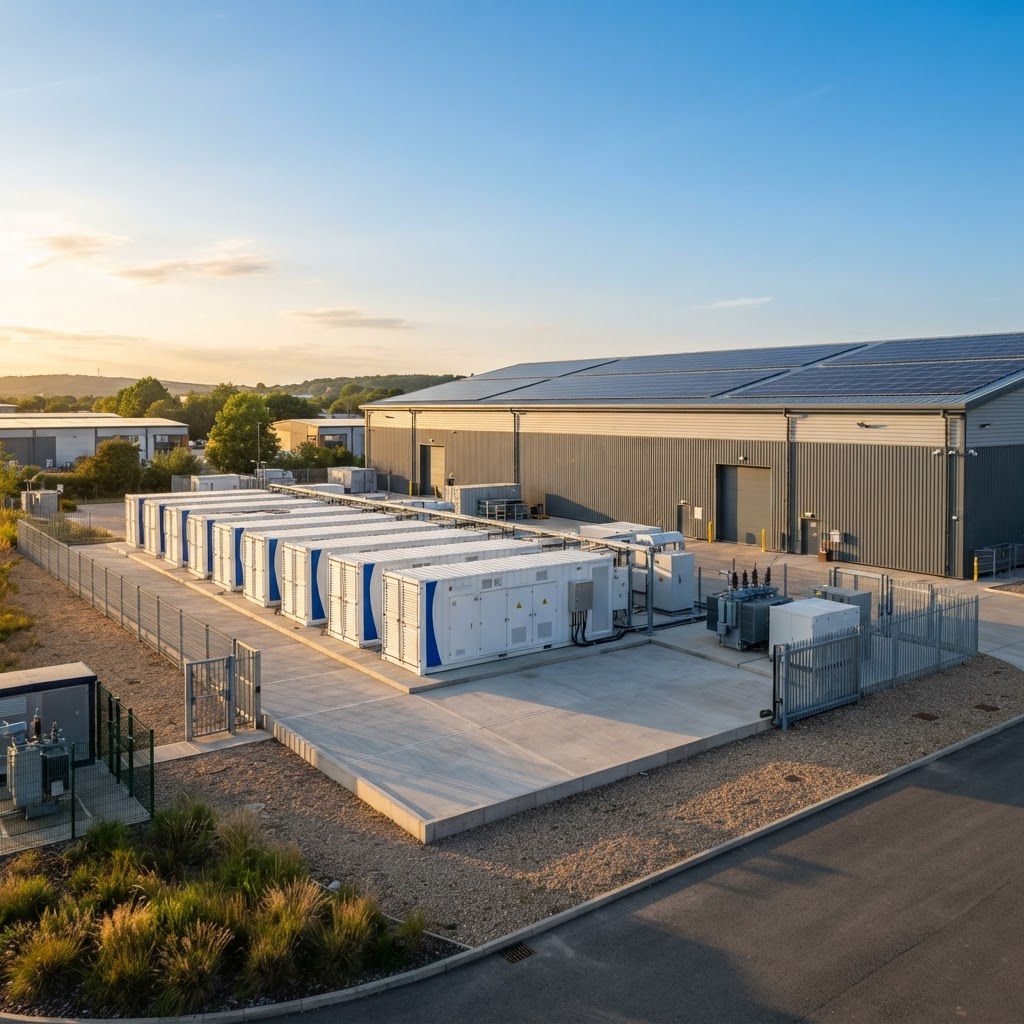
Battery Energy Storage
Store More. Control More. Achieve More.
Commercial and industrial battery systems that store electricity, manage consumption and support long-term energy optimisation.
Introduction
A commercial battery energy storage system (BESS) gives your business control over when electricity is used, not just how much is bought. Charged from on-site solar or the grid, stored energy is discharged when it delivers the most operational or commercial value.
Storage is not a standard product. The right configuration depends on your consumption profile, tariff structure, connection capacity and the controls that govern charging and discharge. We design around those realities, and we only recommend storage where the case stands up.
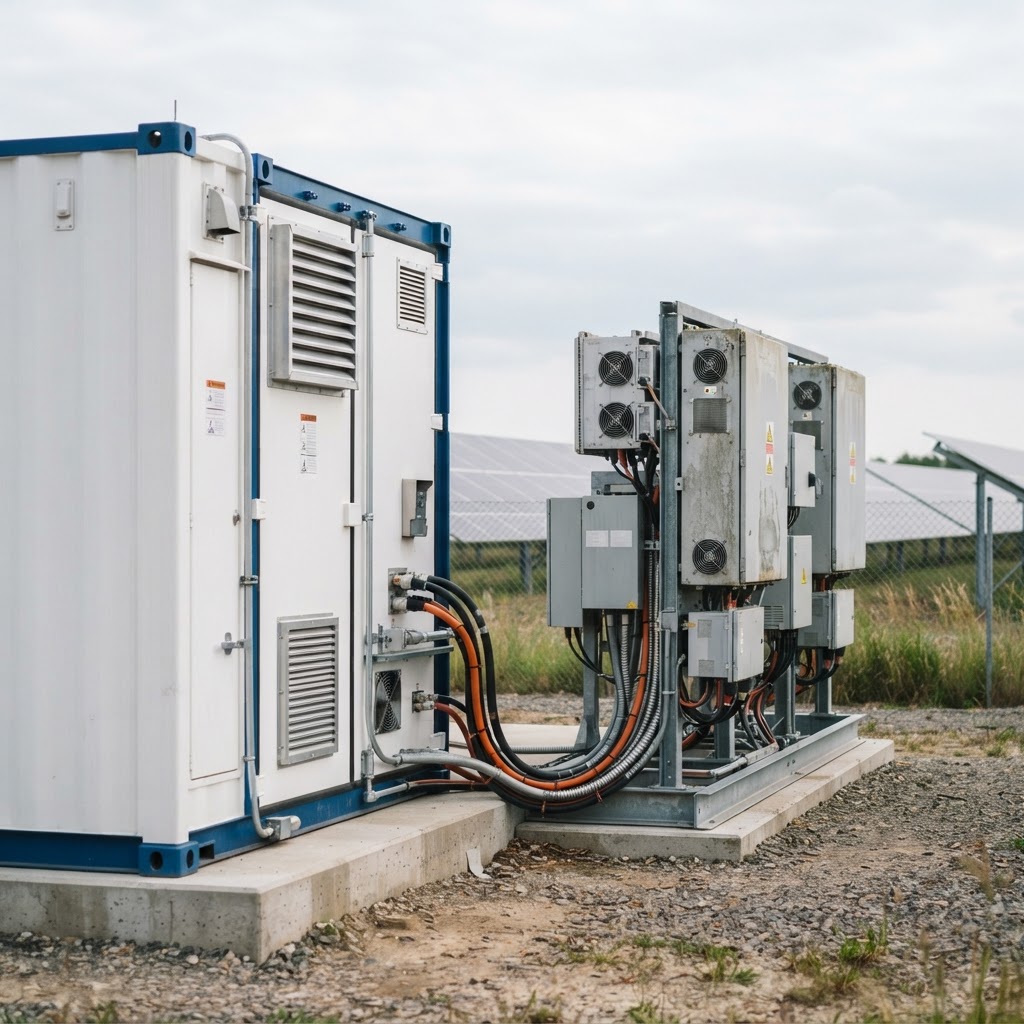
How BESS works
Charge. Store. Discharge. Repeat.
01
Charge
From on-site solar generation, or from the grid at times that suit your tariff.
02
Store
Energy is held in the battery system, managed by the site energy controller.
03
Discharge
Released to your building when consumption or prices make it most valuable.
04
Optimise
The system follows your site profile and adapts its strategy over time.
Applications
What commercial storage does.
Solar self-consumption
Store surplus solar generation for use after the sun goes down, raising the share of your own electricity you actually use.
Peak shaving
Discharge during demand peaks to reduce maximum demand charges and ease pressure on your connection.
Load shifting
Move consumption between cheaper and more expensive periods within your tariff structure.
Flexibility & trading potential
Where system design, grid connection and market access allow, stored energy may support flexibility services or trading. Availability and returns are project-specific and never guaranteed.
The benefits
What a well-designed BESS delivers.
Energy optimisation
Use more of what you generate and buy less of what you do not need, hour by hour.
Demand management
Flatten peaks, avoid avoidable charges and protect your connection headroom.
Site resilience, where configured
With the right design and controls, selected loads can be supported during outages. Backup capability is specified, never assumed.
Commercial value potential
Revenue depends on system design, controls, market access and project economics. We model it honestly before you commit.
Solar + storage
Solar and storage solve different halves of the same problem. Solar generates when the sun allows; storage decides when that energy is used. Together, a far higher share of self-generated electricity is consumed on site, and grid imports are concentrated in the cheapest periods.
For sites with strong daytime loads and evening demand, solar-plus-storage is often where the strongest commercial case sits. For others, solar alone, or storage alone, may be the better answer. We model both.
Design note
Battery sizing is driven by your load profile, solar yield, tariff structure and connection capacity, not by rule of thumb. We size to the evidence.
Our approach
Evidence first. Then design.
01
Feasibility assessment
Consumption analysis, tariff review and connection capacity check.
02
System sizing
Power and energy capacity sized to your loads, solar profile and objectives.
03
Commercial modelling
Transparent modelling of costs, savings and revenue potential, with assumptions stated.
04
Integration & delivery
Controls integration with existing solar, installation and commissioning.


Knowledge Base
Related insights.
Practical insight from our commercial team, drawn from the SolarTech Knowledge Base.

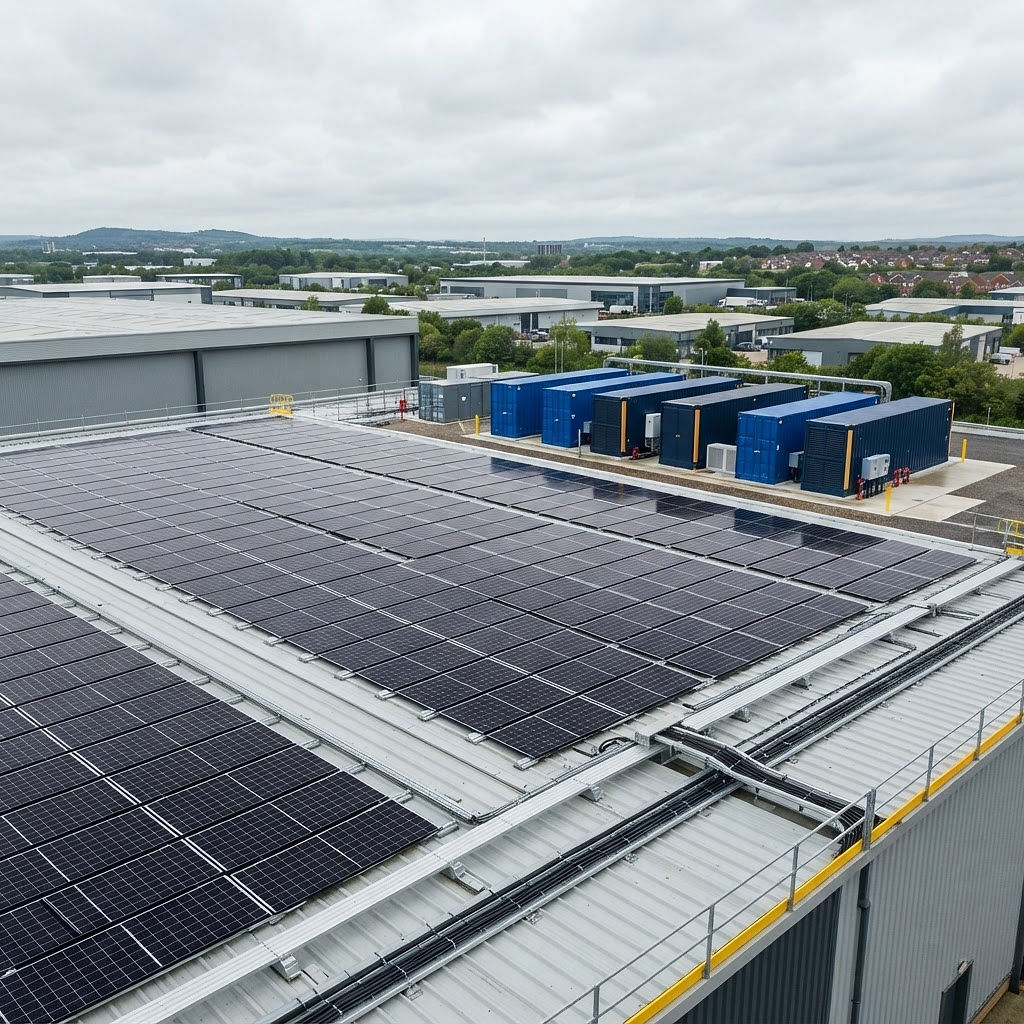
Hybrid PPA Models: Why Combining Solar with Battery Storage is the New Standard for Energy-Intensive Sites
As grid volatility increases, businesses are moving beyond standalone solar. Discover why co-locating Battery Energy Storage Systems (BESS) with solar PV is becoming the strategic benchmark for managing energy costs and mitigating curtailment risks.
Read Article
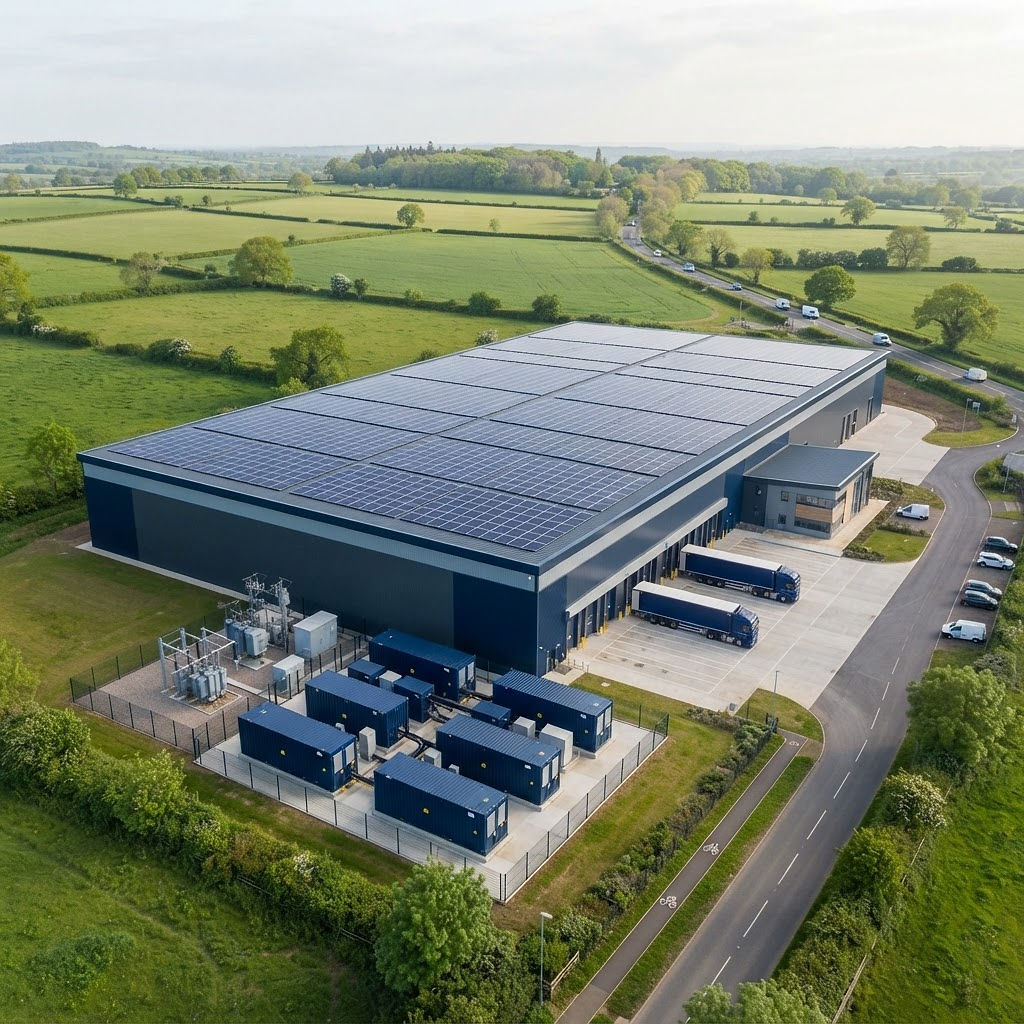
UK Commercial Battery Storage: Navigating Falling Grid Costs for 2027 Energy Strategy
As grid-scale storage costs decline and Ofgem reforms the connections queue, commercial leaders must rethink their 2027 energy strategy. Discover how co-locating solar with battery storage can optimize your operational resilience and long-term energy procurement.
Read ArticleBeyond the Roof: Optimising Cold Storage Energy Profiles with Behind-the-Meter Solar
For cold storage operators, refrigeration represents a significant operational cost. This analysis explores how behind-the-meter solar, thermal storage, and battery integration can help manage energy intensity and mitigate grid price volatility.
Read ArticleFAQs
Battery storage questions, answered.
Battery energy storage
Explore What Storage Could Do for Your Site.
Share your consumption data and objectives. We will assess feasibility honestly and model the case before recommending anything.